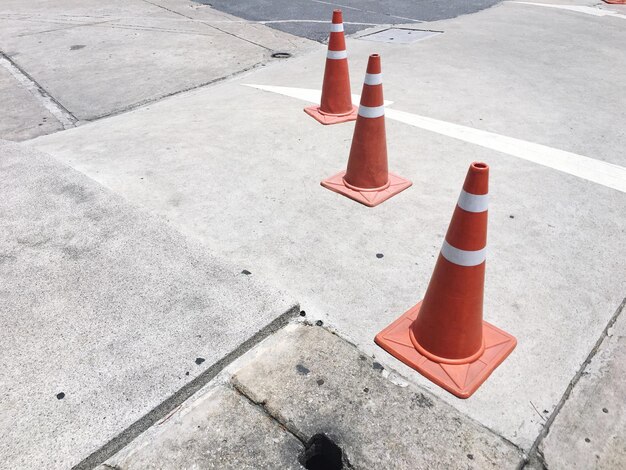
Major Road Construction Projects Affecting Florida Commuters in 2026
Florida commuters face a significant year of road work ahead, with major construction projects set to reshape traffic patterns across the state. Drivers should begin planning alternate routes and adjusting their schedules now, as ongoing infrastructure improvements will create delays and lane closures throughout the year.
The scale of construction underway reflects Florida's growing transportation needs. As the state continues to expand, maintaining and upgrading its road network remains essential to keeping traffic moving. However, that work comes with real costs to commuters—extended travel times, detours, and congestion in areas where construction is active.
Understanding the Scope of 2026 Projects
Several major corridors across Florida will experience construction activity. These projects span urban areas, suburban commuter routes, and highways that connect regions. Officials said the work is designed to improve safety, capacity, and overall road conditions, but the disruption is unavoidable.
Commuters should expect construction zones during peak travel hours. Morning and evening rush periods will likely see the heaviest impacts, as lane reductions compound normal traffic demand. Drivers who can shift their schedules—leaving earlier or later than usual—may find smoother conditions.
Managing Commute Changes
The best strategy for navigating construction year is flexibility. Many employers now allow flexible work arrangements or remote options; using those tools during peak construction periods can reduce frustration. Carpooling or transit options, where available, may also provide alternatives to sitting in traffic.
Real-time traffic apps and local transportation agency alerts are essential tools. These resources provide up-to-date information on active closures, lane shifts, and detour routes. Checking conditions before leaving home helps commuters choose the most efficient path.
Regional Impact Across Florida
Urban areas will experience some of the most noticeable disruption. Downtown routes and major commercial corridors typically see the heaviest traffic, and construction there affects thousands of daily trips. Suburban commuters heading to job centers should prepare for longer-than-normal commute times.
Highway corridors connecting different regions of the state will also see activity. These routes are critical for commerce and cross-state travel; delays there affect not just local commuters but delivery schedules and regional mobility.
Preparing for the Year Ahead
Commuters should take time now to identify alternate routes. Knowing secondary roads and backup corridors can save time and stress when primary routes are congested. Local transportation agencies often provide maps and resources for drivers planning detours.
Staying informed is equally important. Transportation officials will release updates as projects progress and conditions change. Following official channels—agency websites, traffic hotlines, and social media accounts—ensures drivers have the latest information.
Construction projects in Florida will test commuter patience throughout the year, but preparation and flexibility can minimize the impact. Stay alert, plan ahead, and allow extra time for your commute when work is active in your area.