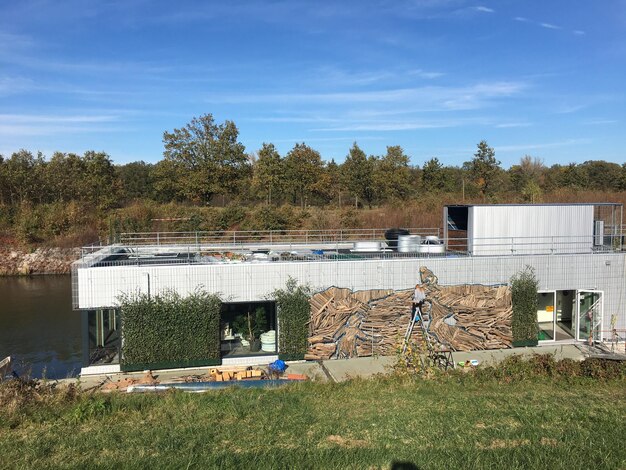
St. Petersburg Hurricane Recovery Still Unfinished Two Years After 2024 Storms
Two years after major hurricanes swept through the region, St. Petersburg continues to grapple with recovery efforts that remain incomplete across residential neighborhoods, public infrastructure, and local institutions. The aftermath of the 2024 storm season has left visible marks on the community, with ongoing repair work and reconstruction projects underway throughout the city.
The scale of recovery underscores the long-term challenges that follow major weather events. What often appears as immediate cleanup in news coverage extends into years of structural repairs, permitting delays, insurance disputes, and resource allocation decisions that shape the community's rebuilding timeline.
Damage Assessment and Early Response
The 2024 storms affected neighborhoods across St. Petersburg with varying degrees of severity. Some areas saw substantial damage to residential properties, while others experienced flooding, roof damage, and loss of vegetation. Public buildings, roads, and utility infrastructure also sustained damage that required systematic repair and restoration.
In the immediate aftermath, city officials coordinated emergency response and debris removal. Initial assessments documented the scope of damage, and officials began the process of applying for state and federal disaster assistance. Recovery funding comes through multiple channels—state emergency management programs, federal disaster declarations, and local municipal budgets—each with its own timeline and application process.
Residential Reconstruction Delays
Homeowners across St. Petersburg have faced a lengthy reconstruction process. Some residents report ongoing delays in getting their properties fully repaired. Factors contributing to slower-than-expected recovery include contractor availability, supply chain disruptions, permitting backlogs, and insurance claim processing times.
For many households, the financial burden has been substantial. Those without adequate insurance coverage or whose damage exceeded their policy limits have had to navigate additional financing options or make do with temporary repairs. Renters displaced by the storms have also struggled to find stable housing within their budget constraints as the local rental market adjusted to increased demand.
Infrastructure and Municipal Projects
The city's public works department has prioritized repairs to roads, drainage systems, and municipal facilities. Some projects have been completed, while others remain in progress. Storm-damaged public buildings required structural assessments before repairs could begin, adding time to the overall recovery calendar.
Utility restoration—including water, sewer, and power infrastructure—represented another major recovery front. While most critical utilities were restored relatively quickly, some neighborhoods experienced prolonged outages, and ongoing work continues to fully repair damaged systems.
Schools and Community Services
Local schools sustained damage in the 2024 storms, affecting classrooms and facilities. Some institutions operated from temporary spaces or adjusted schedules while repairs proceeded. The recovery of educational facilities has been tied to broader municipal funding and contractor capacity, creating delays in returning schools to full operational status.
Community centers and other service facilities also required repairs. The time needed to restore these spaces has affected the programs and services they normally provide to residents.
Looking Forward
Two years into recovery, St. Petersburg officials continue coordinating between city departments, state agencies, and federal disaster programs. The pace of reconstruction varies by neighborhood and by property type. Some residents have seen their homes and businesses fully restored, while others remain in temporary situations or managing ongoing repairs.
The extended timeline for recovery has become typical for communities affected by major hurricanes. Full restoration of a city's housing stock, infrastructure, and services often spans years rather than months, requiring sustained attention and resources long after media coverage of the initial storm fades.
As St. Petersburg moves forward, residents and officials remain focused on completing the work begun in the aftermath of the 2024 storms, ensuring that the city's recovery reaches all affected neighborhoods and institutions.